The COVID-19 pandemic permanently changed how we think about workplace cleanliness. Before 2020, most businesses considered "clean" to mean visually tidy — desks wiped, floors vacuumed, bins emptied. Today, that standard is no longer enough. Employees, clients, and regulators expect genuine hygiene: environments that are not just tidy, but actively managed to prevent the spread of infectious disease.
For Brisbane businesses, this shift presents both a challenge and an opportunity. Those who adapt quickly gain a competitive edge — healthier teams, safer spaces, and stronger trust with stakeholders. Those who don't risk falling behind on compliance, employee satisfaction, and public confidence.
The New Hygiene Standard: What Changed and Why
Three fundamental shifts define the post-pandemic hygiene landscape:
1. From Aesthetic Cleaning to Infection Control
Pre-pandemic cleaning focused on appearance — removing visible dirt, dust, and clutter. Post-pandemic cleaning must address invisible threats: bacteria, viruses, and fungal spores that thrive on surfaces we touch every day. This requires a fundamentally different approach:
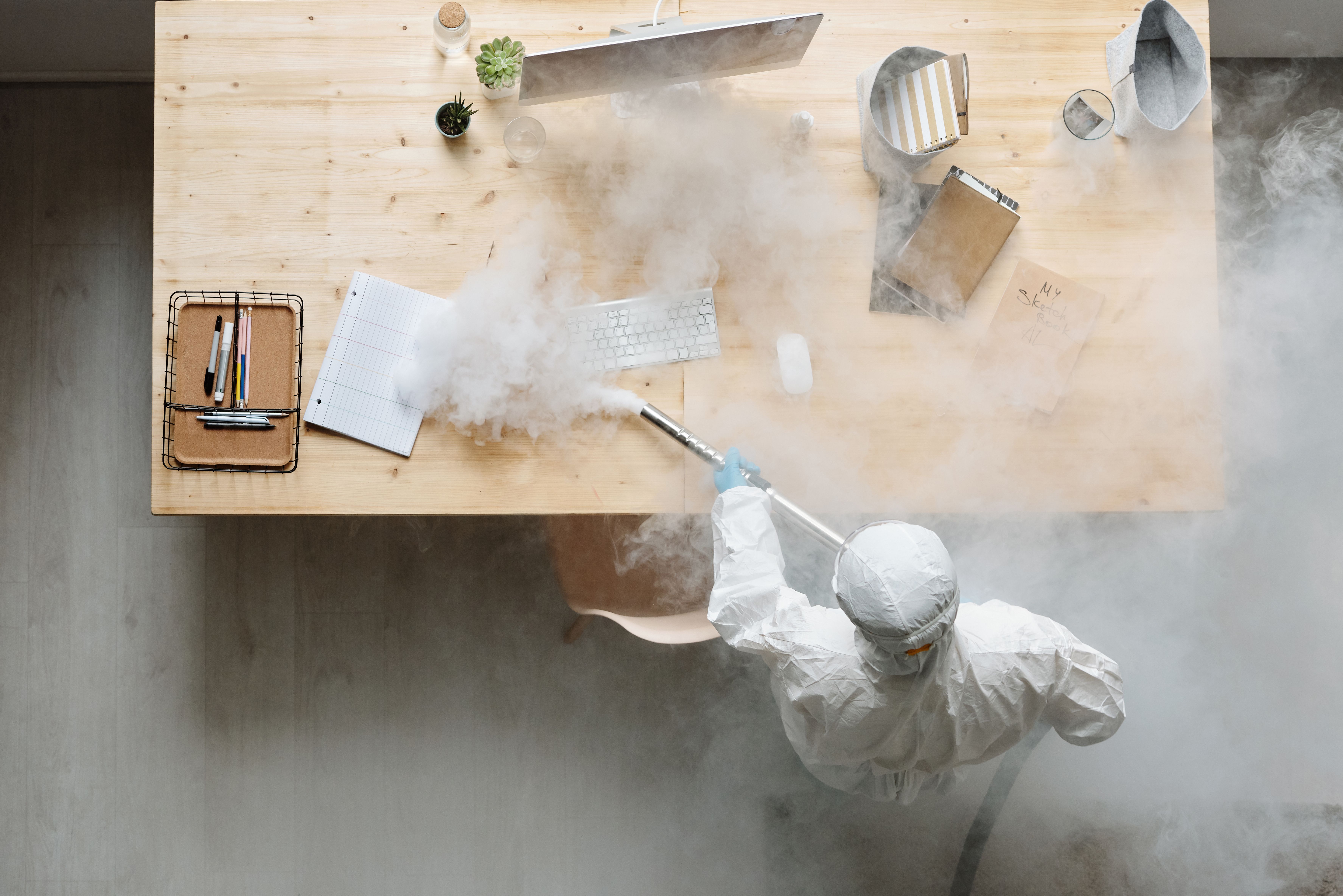
- Disinfection, not just cleaning: Cleaning removes dirt; disinfection kills pathogens. Both are necessary, but disinfection is now the priority on high-touch surfaces.
- Targeted frequency: High-touch points (door handles, lift buttons, shared keyboards, reception counters) need disinfection multiple times daily, not just once after hours.
- Proper contact time: Disinfectants require specific contact times to work effectively — typically 2–5 minutes of wet contact. Wiping immediately after applying renders most products ineffective.
2. From Reactive to Proactive
Old cleaning schedules were reactive — clean when it looks dirty, deep clean once a quarter, respond to complaints. The new standard is proactive: systematic, scheduled, and documented. This means:
- Cleaning logs: Every task is recorded — what was cleaned, when, with what product, and by whom. This creates accountability and provides evidence of compliance.
- Preventive schedules: Deep cleaning, carpet extraction, and HVAC maintenance happen on fixed schedules regardless of visible need.
- Outbreak protocols: Pre-planned response procedures for when illness is detected in the workplace — including enhanced disinfection, targeted zone isolation, and communication templates.
3. From Individual Responsibility to Shared Accountability
Before the pandemic, workplace hygiene was often treated as an individual matter — "wash your hands, use the sanitiser." Now it's understood as a shared responsibility between employers, cleaning providers, and employees. Employers must provide the infrastructure (cleaning services, sanitiser stations, ventilation); cleaning providers must deliver professional-grade hygiene; and employees must follow protocols.
Essential Hygiene Protocols for Brisbane Businesses
Based on current Australian health guidelines and international best practice, here are the protocols every Brisbane workplace should implement:
Daily Disinfection of High-Touch Surfaces
Create a checklist of every high-touch surface in your facility and ensure each is disinfected at least twice daily — ideally morning and midday. Common items include:
- Door handles and push plates
- Lift buttons and stair handrails
- Light switches and power points
- Shared phones, keyboards, and mice
- Reception counters and visitor sign-in screens
- Kitchen taps, microwave handles, and fridge doors
- Restroom fixtures, flush handles, and tap handles
- Meeting room tables and chair armrests
Hand Hygiene Infrastructure
Place alcohol-based hand sanitiser stations (at least 60% ethanol) at:
- Every building entrance
- Lift lobbies on each floor
- Meeting room doorways
- Break room and kitchen entrances
- Restroom exits (in addition to soap and water inside)
Ensure stations are checked and refilled daily. Empty or broken dispensers signal that hygiene isn't truly prioritised.
Ventilation and Air Quality Management
Airborne transmission is now recognised as a primary infection pathway. Your ventilation strategy should include:
- Regular HVAC maintenance: Filters changed on schedule, coils cleaned, and ducts inspected quarterly.
- Increased fresh air ratio: Where possible, increase the proportion of outside air in your HVAC system to reduce recirculation of contaminated air.
- Window access: In naturally ventilated spaces, ensure windows can be opened and encourage regular airing out.
- Air purifiers: In high-density or poorly ventilated areas, deploy HEPA-filtered portable air purifiers.
Restroom Hygiene Upgrade
Restrooms require enhanced attention in the post-pandemic era:
- Full sanitisation at least twice daily (not just surface wipe-down)
- Touch-free fixtures where possible (sensor taps, auto-flush, no-touch soap dispensers)
- Paper towel dispensers preferred over air dryers (which can aerosolise bacteria)
- Regular restocking of soap, paper towels, and sanitiser — never let supplies run out
- Clear signage promoting proper handwashing technique
Shared Space Protocols
Meeting rooms, break rooms, and collaborative spaces need specific rules:
- Tables and chairs disinfected before and after each use
- Shared equipment (projectors, whiteboards, markers) wiped between users
- Maximum occupancy limits posted and enforced
- Spacing arrangements that minimise face-to-face proximity where practical
Documentation and Compliance
Under the Australian Work Health and Safety Act 2011, employers have a duty to provide a workplace that is "without risks to health." In the post-pandemic context, this includes infectious disease risk. Documentation is your evidence of compliance:
- Cleaning schedules and logs: Detailed records of every cleaning task, product used, and completion time.
- Product safety data sheets: SDS for every chemical used in your facility, accessible to all workers.
- Outbreak response plan: A written procedure for escalating cleaning protocols when illness is reported.
- Staff training records: Evidence that employees have been trained in hygiene protocols and that cleaners are qualified in infection control.
Working with Your Cleaning Provider
Your cleaning provider is a critical partner in post-pandemic hygiene. Ensure they:
- Use hospital-grade disinfectants registered with the Australian Therapeutic Goods Administration (TGA)
- Follow correct contact times for every product — not just spray and wipe
- Operate a colour-coded system to prevent cross-contamination between zones
- Provide digital cleaning logs for transparency and compliance evidence
- Have outbreak response capability — a pre-planned protocol for enhanced disinfection when needed
- Train staff in infection control beyond basic cleaning technique
The Bottom Line
Post-pandemic hygiene isn't temporary — it's the new permanent standard. Brisbane businesses that embrace this reality protect their people, strengthen their reputation, and stay ahead of regulatory expectations. Those that revert to pre-2020 practices risk health incidents, compliance breaches, and eroded trust.
At Aarka Cleaning Services, our post-pandemic hygiene programme is built on TGA-registered products, documented protocols, colour-coded systems, and trained infection-control specialists. We don't just clean your workplace — we help you create an environment where people feel genuinely safe.
Need to upgrade your workplace hygiene? Contact us for a free hygiene assessment and customised cleaning programme.